
Being Ambitious Doesn’t Make You Selfish
September 7, 2021
Mental Health Check-In: The best gift you can give this holiday season – Elian Beattie
November 29, 2021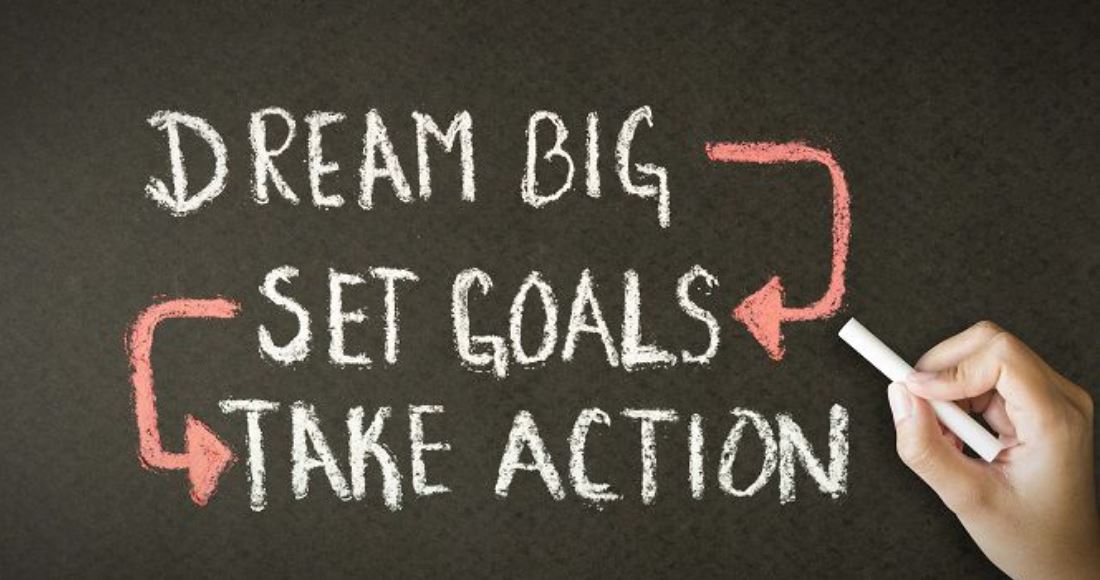
What Happens After You Decide to Work With an Executive Coach?
You’ve decided to work with an executive coach to help with your career goals or professional development. Now what? The platform of executive coaching is created from your goals and establishing these goals is the first step towards your success.
What Is the Three-Tier Plan in Executive Coaching?
Executive coaching will often start with the creation of a three-tier plan. The first tier focuses on the question, “Where do you want to be?” The answer to this question creates your top-tier vision, the overall accomplishment you want to achieve, which coaching will facilitate. Once your vision is clearly defined, an executive coach will help you establish your goals towards that vision. The goals on tier two break down the vision into manageable pieces. As you focus on one or more goals at a time, you are moving forward towards the accomplishment of your vision. To move forward, however, you need more than the “what” defined by your goals; you also need a “how”; tier three addresses this. Each goal is analyzed to determine action steps to achieve the goal. You work through your action steps to accomplish each goal which will result in the attainment of your vision.
What Makes Goals Successful?
Goals must meet certain criteria to be successful
• Your goals should be articulated in specific terms to help with the action steps.
• They should also be measurable to provide evidence of your progress or to reevaluate if the action steps aren’t working.
• Goals should be realistic regarding time frame and resources.
• Finally, successful goals are relevant in terms of your values and vision, and they should be based upon a timeline to encourage prioritization and to keep you motivated.
How Can Your Strengths Support Goal Achievement?
As part of goal setting, the executive coach may also assess your strengths and how these can be utilized in the action steps. The strength analysis will also help define how these characteristics and skills can help with any challenges hindering goal attainment.
How Are Goals Set in Executive Coaching?
There are different ways in which individuals set goals in executive coaching. Very often after a quarterly or annual performance review, an executive becomes aware of areas for development and the coaching goals are based on what the executive wants to work on towards self-improvement. In addition, an executive might already have an awareness of their professional vision for themselves or their organizations, and the goals can be structured from that vision.
Can Goals Be Established Together With a Coach?
Goals can also be established together with your coach. Information from the executive’s role, professional feedback or structured assessments can help you and your coach determine the challenges which resulted in the data. Goal setting is then focused on how to improve those areas directly connected to your vision.
What Happens When Goal Setting Is Company-Directed?
Finally, goal setting could be company-directed. An organization might hire a coach to work with an executive. This might come after a poor review or as part of a performance improvement plan. In this scenario, the goals will likely be based on the organization’s vision versus the executive’s vision. The organization will then use the goals to ascertain the executive’s progress.
Why Is Executive Coaching Different?
When you work with an executive coach, your experience is not going to be like past training or continuing education opportunities. Executive coaching is individualized. It is your time to focus on you and where you want to be. Articulating your ideal vision in coaching is an appropriate approach, not just a pipe dream.
FAQ: Goal-Setting in Executive Coaching
Goal-setting in executive coaching is the process of defining what you want to achieve professionally and creating a structured plan to get there. Your goals become the foundation of the coaching work and guide what you focus on in sessions.
A three-tier plan includes: (1) your vision (where you want to be), (2) goals that break that vision into achievable focus areas, and (3) action steps that define how you’ll make progress on each goal.
The best goals are specific, measurable, realistic for your time and resources, aligned with your values and vision, and tied to a timeline. This helps you prioritize, stay motivated, and track progress.
Common coaching goals include improving leadership presence, communication, delegation, time management, strategic thinking, conflict resolution, team leadership, and navigating career transitions or promotions.
A coach helps you break goals into practical action steps, identify obstacles, use your strengths strategically, and adjust the approach if progress stalls, so you’re not just defining what you want, but actively building the path to achieve it.
In executive coaching, defining an ambitious vision is appropriate. The coaching process is designed to turn big-picture aspirations into realistic goals and concrete steps, so your vision becomes actionable rather than wishful thinking.