

Readjusting to Your (Social) Life after Lockdown – Elian Beattie
May 3, 2021
The Mulan Complex: How this heroine illustrates the struggle for mompreneurs
August 11, 2021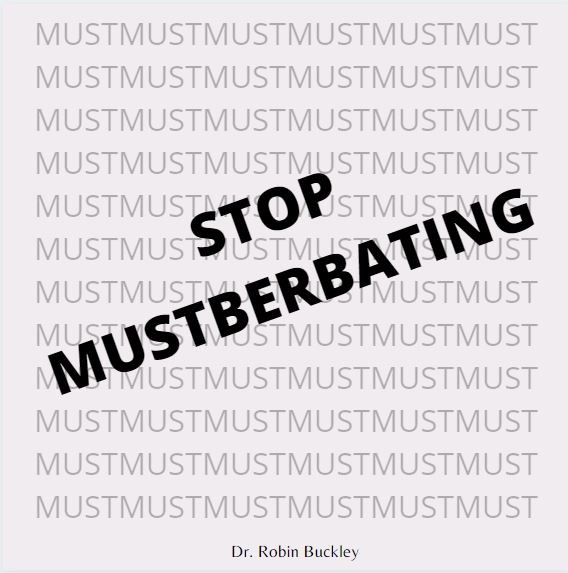
What Is Musterbation?
The Problem With “Must,” “Should,” and “Ought To”
How often do you musterbate? What about the people you know? Some of them might musterbate a lot, maybe even daily. Now before you assume where this conversation is going, be sure you read that word correctly – MUSTerbate. While I wish I could take credit for creating this word, it was Albert Ellis, a behavioral psychologist, who coined the term. Musterbation is the experience of telling ourselves we “must” do things. It extends to additional words – “should”, “have to”, “need to”, and “ought to”. These aren’t just words. They are the start point in the creation of emotions which are detrimental to our growth and mental wellness. Words like these create shame, guilt, self-doubt, stress and pressure. They typically have the authoritative tone of parents, teachers, bosses, or embody the norms dictated by society or culture.
How Musterbation Can Limit Growth
At a mild or moderate level, musterbation stops our creative thinking, inhibits problem solving, and builds limitations on our dreams and goals. This is when working with a coach trained and educated in cognitive behavioral approaches can help. Through executive, life or couples coaching, individuals learn strategies to stop musterbating. They strengthen these practices and apply them in their daily lives, replacing guilt, shame and self-doubt with functional control, confidence and abundant thinking. The coach acts as an objective, outside perspective to help clients identify the cognitive roadblocks and change the habits, resulting in improvements in their present and successes in their future.
When Therapy Can Help
At a severe level, musterbation contributes to the development of anxiety and depression. The tendency to use these words feeds the anxiety or depression, maintaining or building the dysfunctional emotions and experiences. This is when working with a therapist can help. Through therapy, individuals can explore where the source of the words came from to explore what experiences from their past are affecting their present. Particularly when working with a cognitive behavioral therapist, patients will then learn strategies to manage the words and thoughts contributing to the anxiety and depression. Often, a psychiatrist will be part of the approach to prescribe medications to help balance the neurotransmitters and allow the therapy to work more effectively.
Breaking the Pattern
Ultimately, whether through coaching or therapy, individuals learn to stop rubbing themselves the wrong way and break the pattern of musterbating.
About Dr. Robin Buckley
Dr. Robin Buckley has her PhD in Clinical Psychology from Hofstra University and is also a certified coach. She owns Insights Group Psychological & Coaching Services in New Hampshire, a practice offering coaching (executive, elite athletes, couples), neuropsychological evaluation, and cognitive behavioral therapy. Dr. Robin works specifically with executives and high-powered couples to achieve their goals efficiently and successfully through the use of a business framework. To find out more about Dr. Robin, please go to drrobinbuckley.com, or to learn more about her practice, insightsgroup.net.
FAQ: Musterbation (The “Must/Should” Habit)
“Musterbation” is a term for the habit of telling yourself you must, should, have to, or ought to do something. These rigid rules often create pressure, guilt, shame, and self-doubt that can hurt mental wellness.
Common signs include harsh self-talk (“I must be perfect”), feeling chronic pressure to perform, strong guilt when you rest or say no, and judging yourself by strict standards. If your inner dialogue sounds like a demanding authority figure, musterbation may be in play.
Because they turn preferences and goals into non-negotiable rules. When life doesn’t match the rule, the brain often responds with stress, shame, or anxiety rather than flexibility, problem-solving, or self-compassion.
Yes. When “must/should” thinking becomes intense or constant, it can fuel anxious rumination, persistent stress, and hopelessness; patterns that may contribute to or worsen anxiety and depression.
If “must/should” thinking is impacting your sleep, relationships, confidence, or daily functioning or if you feel stuck in anxiety, depression, or constant self-criticism, working with a cognitive behavioral therapist, coach, or (when appropriate) a psychiatrist can provide structured support and relief.